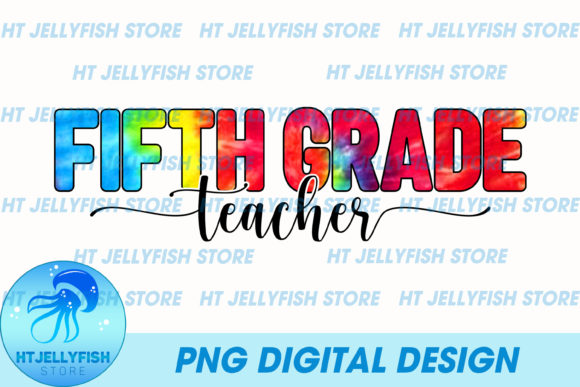
Fifth Grade Teacher Sublimation
First Impression: Warm, Whimsical—and Immediately Recognizable
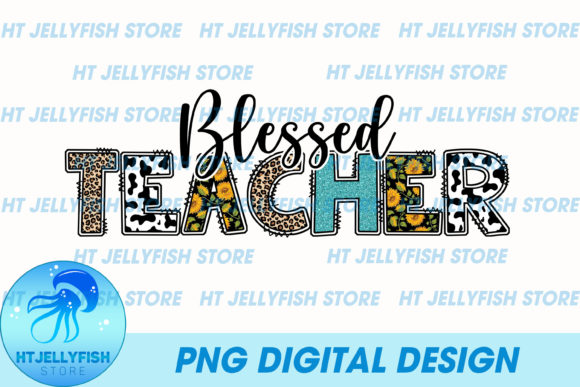
Opening Fifth Grade Teacher Sublimation for the first time, I felt that familiar spark—not the kind you get from flashy trends, but the quiet confidence of a design that *gets it*. It’s not overly busy, doesn’t shout, and avoids clichés like oversized apples or chalkboard borders. Instead, it leans into soft illustration: gentle curves, balanced negative space, and a friendly, approachable font that reads clearly at a glance. As a designer who’s stitched hundreds of teacher-themed pieces—from back-to-school to retirement gifts—I immediately saw its potential on a relaxed-fit cotton tote bag for a fifth-grade classroom volunteer. That’s where it lives best: in warm, human-centered moments, not corporate merch.
Where It Shines (and Where It Needs Extra Care)
Fifth Grade Teacher Sublimation works beautifully as a machine embroidery design when translated thoughtfully. Its clean lines and moderate detail level hold up well on mid-weight fabrics—think structured canvas totes, brushed cotton sweatshirts, and linen-blend pillow covers. I tested a scaled-down version (3.5" wide) on a navy crewneck sweatshirt using a tear-away + cut-away stabilizer combo—and the result was crisp, legible, and distinctly handmade without looking stiff.
But—and this matters—it’s a PNG file only, not an embroidery file. That means you’ll need to digitize it first if you’re planning actual stitching. And because it’s categorized under Graphic Templates, not embroidery-specific assets, there’s no built-in guidance for stitch types, density, or underlay. So while the visual personality is strong, its real-world performance depends entirely on your digitizing choices.
Use caution with:
- Small hoop sizes (<4")—the composition assumes breathing room; crowding it risks losing balance;
- Stretchy or thin fabric like jersey tees—without proper stabilizer and tension control, fine lettering may blur;
- Dark fabric backgrounds—the original PNG likely assumes light contrast; test thread colors early (navy + gold, charcoal + cream, or black + white all read well);
- Curved surfaces like caps or baby beanies—some elements (like subtle flourishes near the baseline) may distort without repositioning or simplification;
- Frequent-wash items like kitchen towels or baby onesies—dense fill areas need tight stitch density and secure jump stitches to avoid fraying over time.
Real-World Fit: From Boutique Shelf to Personalized Gift
I recently used Fifth Grade Teacher Sublimation as the foundation for a custom embroidered apron for a local elementary school’s “Teacher Appreciation Week” pop-up. We paired it with a simple satin-stitch border and kept the thread palette minimal—ecru on indigo linen. Customers responded instantly: “That’s *exactly* how Mrs. Chen signs her notes!” That recognition is gold. It’s not just decoration—it’s emotional shorthand.
It also translates cleanly into a printable mockup for Etsy sellers listing personalized gifts. A single high-res PNG lets you preview it across multiple products (tote, tea towel, pillow cover) without needing separate files—and since it’s a Graphics asset, it scales well for digital listings. Just remember: if you’re selling finished embroidered items commercially, verify licensing terms before mass production. The shop note makes it clear this isn’t a plug-and-play embroidery file—so treat it as raw design assets, not final production-ready art.
What It Adds to Your Craft Business (and What It Doesn’t)
This design elevates perceived value—not through complexity, but through resonance. When customers see Fifth Grade Teacher Sublimation stitched on a handmade product, they don’t think “generic clipart.” They think “thoughtful,” “teacher-approved,” “made for real people.” That builds trust faster than any sales copy.
It supports brand consistency for small shops focused on education, nostalgia, or heartfelt gifting—especially if you pair it with complementary designs (e.g., “Fourth Grade Superstar” or “Sixth Grade Science Rockstar”) to create a cohesive series. But it won’t carry a full collection alone. Its strength is specificity, not versatility. Don’t force it onto toddler onesies or graduation caps—it’s fifth grade, not kindergarten or high school.
Practical Designer Notes Before You Stitch
- Test on scrap fabric first—especially if using textured weaves (like terry cloth or bouclé) where detail can disappear;
- Review stitch density in your digitized version—avoid overloading small text with dense fill stitch;
- Confirm hoop size compatibility before digitizing; some layouts assume 5x7”, others need 6x10”;
- Inspect small details at 200% zoom—check whether delicate curves or thin serifs will stitch reliably;
- Try black-and-white mockups to assess contrast before choosing thread colors;
- Compare light vs. dark fabric backgrounds—a design that pops on ivory may vanish on charcoal without color adjustment;
- Use appropriate stabilizer: cut-away for knits, tear-away for stable wovens, fusible for lightweight linens;
- Verify commercial use rights—this is a Graphic Templates purchase, not a licensed embroidery file, so double-check permissions before selling finished products or bundling digitally.
Final Thought: A Quietly Confident Choice
Fifth Grade Teacher Sublimation isn’t loud. It doesn’t try to be everything. But for an embroidery project rooted in sincerity—a gift for the teacher who stays late grading, the volunteer who organizes the science fair, the parent who hand-stitches class banners—it lands with weight and warmth. It reminds us that the strongest handmade product isn’t about perfection—it’s about recognition, respect, and the right amount of charm. Use it intentionally, digitize it carefully, and let it speak for the people who show up, every day, in the fifth-grade classroom.