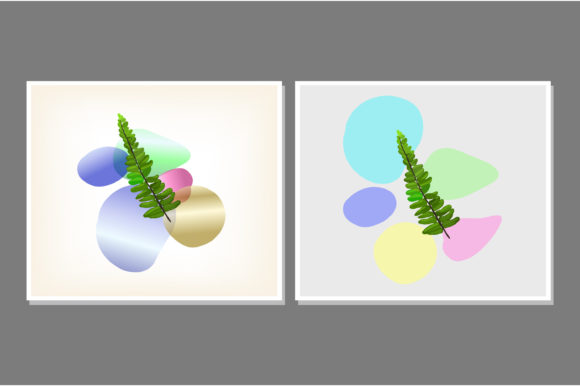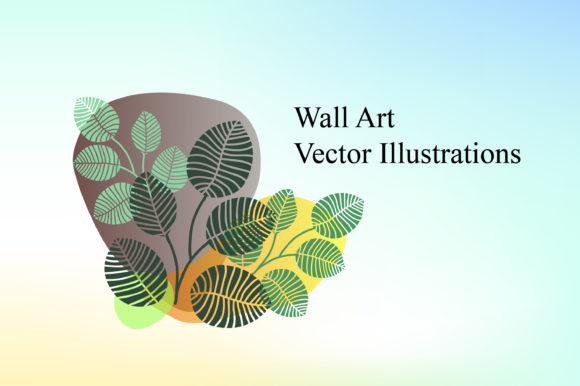
Ferns Hand Drawing Line Art: Graphics for Print Templates
As a brand designer, I often look for graphic design assets that can elevate small business branding without overwhelming the message. Ferns Hand Drawing Line Art is one such asset that offers a unique blend of simplicity and elegance. The first impression is calming and organic, with a hand-drawn aesthetic that feels both modern and handmade. This style suggests a brand personality that values nature, creativity, and authenticity—perfect for a local business looking to stand out in a crowded market.
The Mood and Personality of Ferns Hand Drawing Line Art
Ferns Hand Drawing Line Art exudes a bohemian vibe, with its abstract plant forms and flowing lines. It’s not overly decorative, but it adds a soft, artistic touch that can enhance any design. The mood is peaceful and inviting, making it ideal for businesses that want to create a warm, welcoming atmosphere. Think of a cozy coffee shop or a boutique skincare brand that wants to convey a sense of natural luxury.
This style works well for brands that want to feel approachable yet refined. It’s not too bold or flashy, which makes it versatile for different industries. Whether you're designing for a handmade soap business or a children's product brand, this line art can add a subtle yet meaningful visual element.
Real-World Applications for Local Business Design
One of the strengths of Ferns Hand Drawing Line Art is its versatility. As a graphic design asset, it can be used across multiple platforms. For example, a bakery might use it on their packaging design to create a cohesive look that reflects their brand identity. A florist could incorporate it into their social media graphics to highlight seasonal arrangements or special promotions.
In product labeling, this line art can serve as a subtle accent that draws attention without distracting from the main information. It also works well in printable design elements like thank-you cards or stickers, which are great for customer engagement. When paired with a clean font, it can help establish a strong visual hierarchy that guides the viewer’s eye naturally.
Supporting Business Presentation and Brand Identity
Using Ferns Hand Drawing Line Art can significantly improve a small business’s presentation. It helps create a stronger first impression by adding a professional yet personal touch to marketing visuals. This is especially important for handmade businesses or local shops that rely on visual storytelling to connect with customers.
It also supports better product recognition. When used consistently across packaging, labels, and promotional materials, it reinforces brand identity and builds trust. Customers begin to associate the visual style with the quality and values of the business. This is crucial for businesses that want to stand out in a competitive market.
Another benefit is the ability to create more polished marketing visuals. Whether it’s for a website banner, a social media ad, or a printed flyer, this line art can elevate the overall look of the design. It adds a layer of sophistication that aligns with modern design trends while maintaining a handmade feel.
Where Ferns Hand Drawing Line Art Works Best
This graphic design asset shines in areas where visual appeal is key. Product labels, for instance, can benefit from its delicate lines and organic shapes. It adds a decorative touch that enhances the product’s presentation without overpowering it. Similarly, it works well as a hero graphic on a website or social media campaign, drawing attention and setting the tone for the brand.
For packaging design, it can be used as an accent on the sides or back of a package. It’s also great for creating seasonal packaging or limited-edition products. When used in conjunction with other design elements, it can help create a cohesive brand story that resonates with customers.
Where to Use It Carefully
While Ferns Hand Drawing Line Art is versatile, there are situations where it may not be the best choice. In formal corporate branding, for example, it might feel too casual or unstructured. It’s also not ideal for very small labels where detail is hard to see. In crowded layouts or ingredient-heavy designs, it could compete with essential text and reduce readability.
Additionally, it should be used with caution on low-contrast backgrounds or in luxury minimalist brands where simplicity is key. If the design is too intricate, it may not fit the brand’s aesthetic. Always test it in real-world scenarios before finalizing your design.
Practical Notes for Brand Designers
Before using Ferns Hand Drawing Line Art for client work or physical product sales, make sure to check the commercial license. This ensures that you’re allowed to use the asset for your intended purpose without legal issues. Also, test it on real packaging mockups to see how it looks in different sizes and formats.
Check black and white usage to ensure it still looks good when printed without color. Preview it on small labels to confirm that details remain visible. Test it with your brand colors to see how it integrates with your existing palette. Compare it with competitor packaging to ensure it stands out while still fitting within your industry standards.
Inspect the SVG or vector file for editability, and review PNG transparency if needed. Try it beside different font styles—serif, sans serif, script, and display fonts—to find the best combination. These steps will help you get the most out of this graphic design asset and ensure it meets your business needs.
Final Thoughts on Ferns Hand Drawing Line Art
Ferns Hand Drawing Line Art is a valuable addition to any creative marketplace. Its simple abstract plant art and contemporary boho style make it suitable for a wide range of applications. Whether you’re working on product packaging, social media graphics, or editorial design, this asset can help elevate your small business branding efforts.
As a brand designer, I recommend exploring its potential in real local business projects. From handmade businesses to food brands, it offers a fresh and elegant way to express your brand’s identity. With careful consideration and testing, it can become a powerful tool in your design toolkit.